
- עמוד הבית הפקולטה למדעי הרוח
- אודות
- בתי ספר חוגים ותוכניות לימוד
- בית הספר ללימודים אזוריים והיסטוריים
- רשימת בתי ספר,חוגים ותוכניות לימוד בפקולטה
- מחקר וחוקרים
- תפריט עליון מותאם – !!!מוסתר!!!

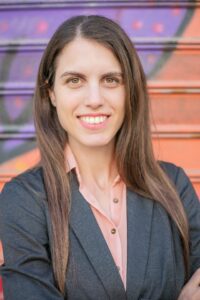 אני היסטוריונית חברתית של אירופה בעת המודרנית. את לימודי התואר הראשון בחוג להיסטוריה כללית באוניברסיטת חיפה סיימתי בהצטיינות יתרה, במהלכם יצאתי לשנת חילופי סטודנטים באוניברסיטת צפון קרוליינה בארה״ב.
את התואר השני למדתי בחוג לפסיכולוגיה באוניברסיטה. במהלכו עבדתי כעוזרת מחקר במכון שטרוכליץ לחקר השואה ובמכון הרצל לחקר הציונות. במקביל עבדתי כמרכזת מערכת כתב העת ״דפים לחקר השואה״ (Journal of Holocaust Research). לאחר מכן המשכתי ללימודי דוקטורט בהיסטוריה באוניברסיטת קלארק שבארצות הברית בתוכנית מיוחדת עם מיקוד בלימודי שואה ורצח עם, מתוך רצון לחבר בין מדעי הרוח והחברה לקידום ופיתוח גישות חדשניות בחקר השואה.
פרויקט הדוקטורט שלי, שכותרתו: Leadership Styles and Peer Relations in the SS-Einsatzgruppen בחן יחסים חברתיים וסגנונות מנהיגות ב-איינזצגרופן, יחידות גרמניות שבצעו רצח המוני בבורות הריגה בברית-המועצות תחת הכיבוש הגרמני. במהלך הלימודים עבדתי בארכיונים בגרמניה, אוסטריה, ארה״ב וישראל שם ניתחתי חקירות של חברי היחידות תוך יישום תיאוריות ומושגים מעולם הפסיכולוגיה החברתית. המחקר סייע לי בהבנת ההיסטוריה דרך החוויות של הדרגים הנמוכים שפעלו בשטח, לאו דווקא של המנהיגים המפורסמים.
במהלך לימודי הדוקטורט השתתפתי בכנסים וסדנאות מחקריים ברחבי העולם בהם הצגתי את מחקרי וממצאי. מאמריי פורסמו בכתבי עת מובילים לחקר השואה והיסטוריה גרמנית. כעת אני פוסט-דוקטורנטית במחלקה ליהדות זמננו באוניברסיטת בר-אילן, ומלגאית של ועידת התביעות. אני בשלבי סיום של עיבוד הדוקטורט לספרי הראשון, ומרחיבה את מחקרי לנושאים נוספים הקשורים במחוללי הפשעים (perpetrators) שהיו מעורבים בשואה ובמקרים נוספים של אלימות המונית ורצח עם.
הלימודים בחוג להיסטוריה כללית שילבו תקופות עתיקות ומודרניות, והרחיבו את ידיעותיי על השואה. מרצי החוג לימדו אותי לחקור את ההיסטוריה בשילוב פוליטיקה, פסיכולוגיה, סוציולוגיה, אמנות ומוזיאולוגיה, ככלי להבנת תהליכי עבר, כמו גם את האירועים שקורים בימנו אנו.
I am a social historian of modern Europe. I completed my bachelor's degree in the Department of General History at the University of Haifa Summe cum Laude. On my second year I went on a student exchange year at the University of North Carolina in the USA.
I earned my Master's degree in the Department of Psychology at the university of Haifa. During this time, I worked as a research assistant at the Strochlitz Institute for Holocaust Research, and the Herzl Institute for the Study of Zionism. At the same time, I worked as the editorial coordinator for the journal Dafim: Studies on the Holocaust (Journal of Holocaust Research).
Afterward, I continued to doctoral studies in history at Clark University in the United States in a special program with a focus on Holocaust and Genocide Studies, seeking to connect the humanities and social sciences to promote and develop innovative approaches in Holocaust research. My Doctoral Dissertation, titled: Leadership Styles and Peer Relations in the SS-Einsatzgruppen, examined social relations and leadership styles in the Einsatzgruppen, German units that carried out mass murder in shooting pits in the Soviet Union under German occupation.
During my studies, I worked in archives in Germany, Austria, the USA, and Israel, where I analyzed postwar interrogations of unit members while applying theories and concepts from the world of social psychology.
My research illuminated historical processes and occurences via the every-day experiences of “lower-ranks” perpetrators in the field, along with those of famous Nazi leaders. During my doctoral studies, I participated in research conferences and workshops around the globe where I presented my research and findings.
My articles were published in leading journals for Holocaust research and German history. Currently, I am a post-doctoral fellow in the Department of Jewish History and Contemporary Jewry at Bar-Ilan University, and a fellow of the Claims Conference. I am in the final stages of processing my doctorate into my first book, and am expanding my research to additional topics related to perpetrators who were involved in the Holocaust and in other cases of genocide and mass violence.
The studies in the History department integrated ancient and modern periods, and broadened my knowledge of the Holocaust. The department’s professors taught me how to combine historical research with politics, psychology, sociology, art, and museology, as a tool for understanding past processes, as well as current events.
